
Nowadays, more and more people are becoming aware of the dangers posed by chemical cleaning products containing toxic substances. Some common ingredients can negatively impact health and contribute to environmental degradation. When choosing cleaning products, it’s essential to know these harmful substances and consciously avoid them. Below is a list of the most frequently encountered ingredients that can have negative health and environmental effects. 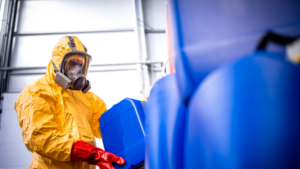
1. SLS (Sodium Lauryl Sulfate) and SLES (Sodium Laureth Sulfate)
- Why They Are Used: They create a rich lather, giving the impression of better cleaning.
- Impact on Health: They can irritate the skin, causing dryness and allergic reactions. SLES may be contaminated with the carcinogen 1,4-dioxane.
- What to Look For: Choose products free from SLS and SLES that use gentler plant-based surfactants.
2. Parabens (e.g., Methylparaben, Propylparaben)
- Why They Are Used: As preservatives, they extend the shelf life of products.
- Impact on Health: They may disrupt hormonal balance and are suspected of having carcinogenic effects.
- What to Look For: Look for products that use natural preservatives.
3. Phosphates
- Why They Are Used: They improve cleaning efficiency, especially in hard water.
- Impact on the Environment: They can contribute to the eutrophication of waters, threatening ecosystems.
- What to Look For: Choose phosphate-free products.
4. Chlorine
- Why It Is Used: It has strong bleaching and disinfecting properties.
- Impact on Health: It can irritate the skin and respiratory tract, and prolonged contact increases the risk of lung damage.
- What to Look For: Products without chlorine use milder disinfectants.
5. Triclosan
- Why It Is Used: As an antibacterial agent in disinfecting products.
- Impact on Health and Environment: It may disrupt hormonal balance and lead to the development of resistant bacteria.
- What to Look For: Choose cruelty-free products that use natural antibacterial ingredients.

6. PEG (Polyethylene Glycol)
- Why It Is Used: It stabilizes the composition and improves consistency.
- Impact on Health: It may contain carcinogenic contaminants, such as ethylene oxide.
- What to Look For: Choose products free from PEGs.
7. Nanoparticles
- Why They Are Used: They enhance the effectiveness of active ingredients.
- Impact on Health: There are concerns that they may penetrate the skin barrier and accumulate in the body.
- What to Look For: Choose products without nanoparticles.
8. DEA, MEA, TEA (Diethanolamine, Monoethanolamine, Triethanolamine)
- Why They Are Used: Emulsifiers that help combine ingredients.
- Impact on Health: They can form carcinogenic nitrosamines when in contact with other substances.
- What to Look For: Look for products without DEA, MEA, and TEA.
9. Phthalates
- Why They Are Used: As fragrance ingredients.
- Impact on Health: They may disrupt hormonal balance, especially in children.
- What to Look For: Choose products labeled “phthalate-free.”
10. Formaldehyde
- Why It Is Used: As a preservative and disinfectant.
- Impact on Health: It is a carcinogen that can irritate the skin and respiratory tract.
- What to Look For: Choose products free from formaldehyde and its derivatives.
Why Choose Cleaning Products Without Toxic Ingredients?
By opting for cleaning products free from harmful substances, we care not only for our health but also for the environment. Products with natural formulas are just as effective and gentler on the skin, causing less harm to the home microbiome. Choosing eco-friendly cleaning products positively impacts health, reduces the risk of allergies and irritations, and supports nature conservation. By opting for such products, we can enjoy cleanliness without compromises and live in harmony with nature.
Making a conscious choice for cleaning products free from toxic ingredients is an investment in our health and the future of the planet. This ensures that our homes are safe, and our daily cleaning rituals support an ecological lifestyle.