
Eco-friendly space organization is an increasingly popular trend that combines aesthetics with a concern for the environment. Today, consumers seek solutions that make their homes not only beautiful but also friendly to the planet. Key trends for 2024 include biophilic design (introducing natural elements into interiors) and multifunctional spaces that optimize resource use and reduce carbon footprints.
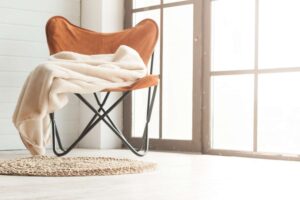 1. Biophilic Design – Invite Nature into Your Home
Biophilic design is a style based on natural elements that supports the mental and physical health of residents by connecting them with nature in their daily lives. The growing interest in this style in 2024 stems from the increasing awareness of the health benefits that natural materials and plants bring to interiors.
Key Elements of Biophilic Design:
- Plants in the Home:
They purify the air while adding freshness and color. Plants like ferns, monstera, and succulents improve humidity and create a healthy microclimate. - Natural Materials:
Wood, stone, and plant fibers are durable and biodegradable, making them more environmentally friendly than plastics. Incorporating materials from certified sources further supports eco-friendly production. - Optimization of Natural Light:
Using large windows and open spaces reduces energy consumption, while natural light improves mood and highlights the beauty of interiors.
2. Multifunctional Spaces – Minimalism and Functionality Combined
Multifunctional spaces support a more sustainable approach to interior design, especially in homes and apartments with limited space. These solutions help reduce the number of resources needed to furnish a home while saving space.
How to Design Multifunctional Spaces:
- Modular and Expandable Furniture
- Hidden Storage Solutions
- Flexible Spaces:
For those working remotely, flexible interiors that can adapt to various needs help reduce resource consumption and provide a comfortable space for work and relaxation.
3. Eco-Friendly Materials and Waste Minimization
Sustainable home space organization is not possible without the right choice of materials. More and more people are opting for materials that are durable, easily recyclable, or made from recycled content. Responsible material choices and minimalism in interior design reduce waste production and the amount of resources used for finishing homes.
Examples of Eco-Friendly Materials and Solutions:
- Furniture Made from Recycled Materials:
Tables and chairs made from recycled wood or processed plastics are durable and environmentally friendly. - Organic Textiles:
Organic cotton, linen, and wool with ecological certifications are popular in eco-friendly homes because they are biodegradable and free from toxic dyes. - Eco-Friendly Paints and Adhesives:
Solvent-free products with ecological certifications improve indoor air quality and reduce the emission of harmful substances.
Conclusion
Eco-friendly space organization is the future of interior design. Biophilic design, multifunctional spaces, and eco-friendly materials are key aspects that combine aesthetics with responsibility for the planet. By designing interiors in a conscious and sustainable manner, we create spaces that support our health and well-being while also reducing our carbon footprint.